The allure of gambling: What drives players?
The allure of casinos can be attributed to a complex interplay of psychological factors that captivate individuals. For many, the excitement of potentially winning money triggers a flood of dopamine in the brain, creating a sense of euphoria and anticipation. This rush is often compared to the high experienced from substance use, as it provides a temporary escape from reality, especially when players seek out the best online pokies australia to increase their chances of winning. The anticipation of a big win not only keeps players engaged but can also lead to compulsive behaviors when they chase losses.
Moreover, the environment of a casino is deliberately designed to enhance these feelings. Bright lights, engaging sounds, and the vibrant atmosphere stimulate the senses and promote an almost hypnotic state. This sensory overload plays a crucial role in drawing players into the gaming experience, often causing them to lose track of time and money spent. The interplay of these stimuli fosters a unique psychological state that is difficult to resist, especially for those prone to risk-taking behaviors.
Another critical aspect is the social environment that casinos create. Gambling often becomes a communal activity where individuals can share in the excitement and tension of the games. The presence of others can amplify emotions, encouraging people to take bigger risks than they might otherwise consider in solitude. This social reinforcement can escalate gambling behavior, leading to a cycle where individuals feel compelled to continue playing even when they know the odds are stacked against them.
The role of cognitive biases in gambling decisions
Cognitive biases significantly impact how gamblers perceive their chances of winning. One of the most common biases is the „gamblers’ fallacy,” the belief that future outcomes will be affected by past events. For instance, a player might think that a slot machine is due for a payout after a long series of losses, leading them to continue gambling in hopes of a correction. This erroneous thinking often causes individuals to chase their losses rather than making rational decisions based on probability.
Additionally, the illusion of control is another cognitive bias that affects gambling behavior. Players often believe they can influence game outcomes through skill or strategy, particularly in games that involve an element of chance, like poker. This false sense of agency can lead to excessive gambling, as players feel empowered to outsmart the system. As a result, individuals may overlook the inherent randomness of many gambling activities, further entrenching them in a cycle of play.
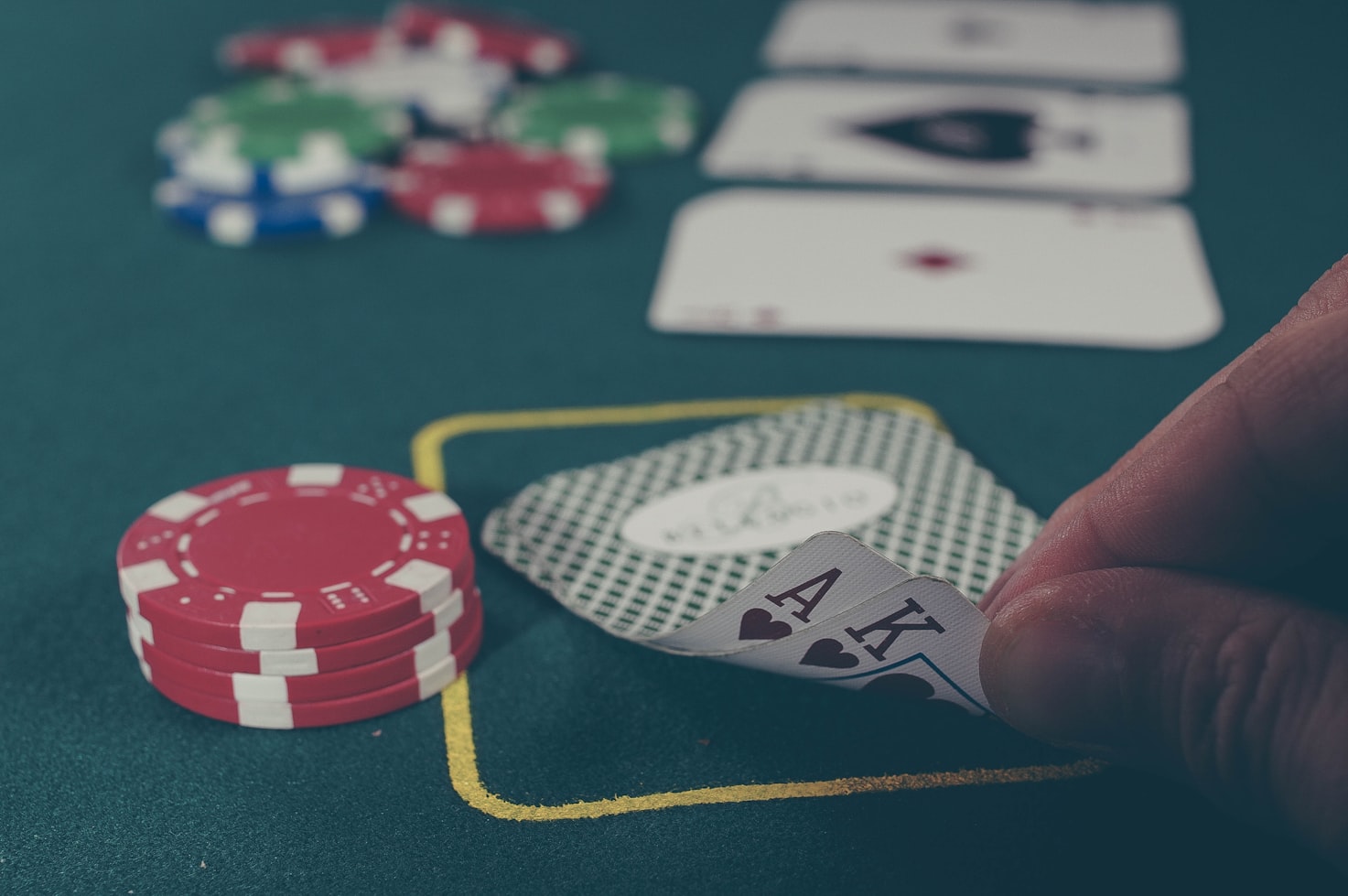
The „near-miss” phenomenon is another psychological trigger that exploits cognitive biases. When players experience an outcome that is just short of a win, such as landing two out of three matching symbols, it can create a powerful urge to keep playing. Gamblers interpret near-misses as a sign that victory is within reach, which can reinforce their commitment to the game. This psychological manipulation keeps players engaged and can lead to increased betting to achieve that elusive win.
The impact of addiction and compulsive gambling
Addiction to gambling can have devastating effects on individuals and their families. The thrill of the game can quickly morph from a recreational activity into a compulsive behavior that dominates a person’s life. Individuals may find themselves prioritizing gambling over essential responsibilities, leading to financial distress, relationship breakdowns, and mental health issues. Recognizing the signs of gambling addiction is crucial, yet many individuals deny or overlook their behaviors, believing they can quit at any time.
Compulsive gamblers often experience a range of emotional and psychological consequences, including anxiety, depression, and guilt. The stigma surrounding gambling addiction can further isolate individuals, making it challenging for them to seek help. The cycle of despair that results from compulsive gambling often exacerbates these feelings, creating a vicious loop that is difficult to escape without professional intervention.
Understanding the psychological triggers and patterns associated with gambling addiction is vital for developing effective treatment strategies. Cognitive-behavioral therapy (CBT) has proven effective in helping individuals alter their thought processes surrounding gambling. By addressing the underlying cognitive biases and emotional responses, therapists can guide individuals toward healthier coping mechanisms. Support groups and education about responsible gambling practices can also significantly aid those struggling with addiction.
The design of casino environments and their psychological effects
The design of a casino is not merely an aesthetic choice; it is a carefully crafted environment aimed at optimizing player engagement and encouraging spending. Casinos often lack natural light and have no clocks, creating a sense of timelessness that keeps players inside longer. The layout is typically maze-like, designed to encourage exploration and discovery of new games, which can lead to increased gambling. This architectural strategy effectively capitalizes on human psychology, making it easy for individuals to lose track of both time and their bankroll.
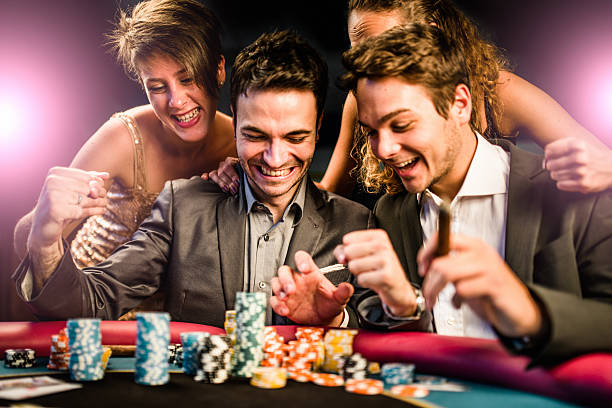
Furthermore, the placement of high-stakes games near low-stakes options cleverly manipulates player behavior. Novice gamblers may be drawn to the excitement of high-stakes tables, believing they can emulate more experienced players. This can lead to considerable losses, as newcomers may not fully understand the complexities of the games they are playing. The intoxicating atmosphere of the casino further fuels this, as the constant buzz of excitement can lead to irrational decision-making fueled by adrenaline and peer influence.
The psychological effects of sound cannot be overlooked in casino design either. The sounds of coins dropping, cheers from winners, and the rhythmic chimes of machines create a celebratory atmosphere. These auditory cues are intentionally designed to evoke feelings of success and excitement, encouraging players to stay engaged. The combination of visual and auditory stimuli creates an environment where the psychological hooks of gambling thrive, making it challenging for individuals to maintain self-control and make rational decisions about their gambling habits.
Understanding and promoting responsible gambling
As the effects of gambling continue to be explored, promoting responsible gambling practices has become paramount. Effective measures involve educating individuals about the risks associated with gambling and encouraging self-awareness regarding their habits. Many casinos now offer resources for responsible gambling, including limits on spending and time spent in the gaming area. These initiatives aim to foster an environment where players can enjoy gaming as a form of entertainment rather than an avenue for financial gain.
Support systems such as helplines and counseling services provide vital assistance for individuals struggling with gambling addiction. By making these resources easily accessible, casinos and communities can help mitigate the adverse effects of gambling. Furthermore, public awareness campaigns can play a crucial role in destigmatizing gambling addiction and encouraging individuals to seek help. Education around the signs of problem gambling is essential for creating a culture of awareness and support.
In essence, fostering a responsible gambling mindset can benefit both the individual and the casino environment. By balancing enjoyment with caution, players can engage in gaming without falling into the traps of addiction or financial hardship. As society continues to challenge the psychological impacts of gambling, it is crucial to advocate for practices that safeguard individuals while still enjoying the thrill that casinos offer.