Casino Interior Design


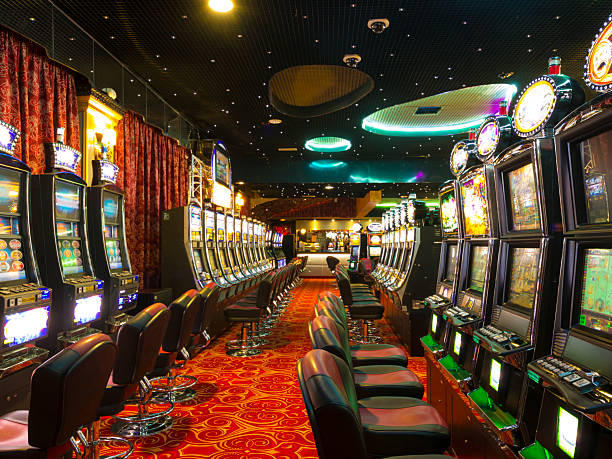
Casino interior design shapes the appearance and atmosphere of indoor entertainment spaces. Furniture, decorative surfaces, floor coverings, and lighting work together to establish a visual identity that visitors can recognize across different areas of a property.

Design teams may use contrasting materials to separate a dining room from a lounge without creating a physical barrier. Durable finishes are particularly useful in areas where chairs, carts, and large numbers of visitors move throughout the day.

The experience of a space can change with the time of day and the number of people present. An arrangement that feels spacious during a quiet afternoon may need more active management before an evening event. Observing ordinary patterns of use provides useful information about where additional signs, assistance, or room may be needed.

Operational records support continuity between shifts and departments. A clear description of a task or an unresolved issue allows the next person to continue the work without reconstructing the entire situation. The value of such records depends on relevant details, consistent terminology, and a clear indication of who is responsible for follow-up.

Consistency does not mean that every area must have an identical character. A property can contain quiet rooms, active public spaces, and formal service settings while using the same underlying approach to directions and communication. This combination allows variety without requiring visitors to learn a completely new system at every doorway.

The interior therefore functions as both a decorative setting and a working environment that must remain understandable and comfortable. Looking at the subject in this broader context helps explain why apparently small decisions can matter to several departments and why practical arrangements deserve attention alongside the more visible features of a venue.

Casino Interior Design


Casino interior design shapes the appearance and atmosphere of indoor entertainment spaces. Furniture, decorative surfaces, floor coverings, and lighting work together to establish a visual identity that visitors can recognize across different areas of a property.

Design teams may use contrasting materials to separate a dining room from a lounge without creating a physical barrier. Durable finishes are particularly useful in areas where chairs, carts, and large numbers of visitors move throughout the day.

The experience of a space can change with the time of day and the number of people present. An arrangement that feels spacious during a quiet afternoon may need more active management before an evening event. Observing ordinary patterns of use provides useful information about where additional signs, assistance, or room may be needed.

Operational records support continuity between shifts and departments. A clear description of a task or an unresolved issue allows the next person to continue the work without reconstructing the entire situation. The value of such records depends on relevant details, consistent terminology, and a clear indication of who is responsible for follow-up.

Consistency does not mean that every area must have an identical character. A property can contain quiet rooms, active public spaces, and formal service settings while using the same underlying approach to directions and communication. This combination allows variety without requiring visitors to learn a completely new system at every doorway.

The interior therefore functions as both a decorative setting and a working environment that must remain understandable and comfortable. Looking at the subject in this broader context helps explain why apparently small decisions can matter to several departments and why practical arrangements deserve attention alongside the more visible features of a venue.

Casino Interior Design


Casino interior design shapes the appearance and atmosphere of indoor entertainment spaces. Furniture, decorative surfaces, floor coverings, and lighting work together to establish a visual identity that visitors can recognize across different areas of a property.

Design teams may use contrasting materials to separate a dining room from a lounge without creating a physical barrier. Durable finishes are particularly useful in areas where chairs, carts, and large numbers of visitors move throughout the day.

The experience of a space can change with the time of day and the number of people present. An arrangement that feels spacious during a quiet afternoon may need more active management before an evening event. Observing ordinary patterns of use provides useful information about where additional signs, assistance, or room may be needed.

Operational records support continuity between shifts and departments. A clear description of a task or an unresolved issue allows the next person to continue the work without reconstructing the entire situation. The value of such records depends on relevant details, consistent terminology, and a clear indication of who is responsible for follow-up.

Consistency does not mean that every area must have an identical character. A property can contain quiet rooms, active public spaces, and formal service settings while using the same underlying approach to directions and communication. This combination allows variety without requiring visitors to learn a completely new system at every doorway.

The interior therefore functions as both a decorative setting and a working environment that must remain understandable and comfortable. Looking at the subject in this broader context helps explain why apparently small decisions can matter to several departments and why practical arrangements deserve attention alongside the more visible features of a venue.

Casino Interior Design


Casino interior design shapes the appearance and atmosphere of indoor entertainment spaces. Furniture, decorative surfaces, floor coverings, and lighting work together to establish a visual identity that visitors can recognize across different areas of a property.

Design teams may use contrasting materials to separate a dining room from a lounge without creating a physical barrier. Durable finishes are particularly useful in areas where chairs, carts, and large numbers of visitors move throughout the day.

The experience of a space can change with the time of day and the number of people present. An arrangement that feels spacious during a quiet afternoon may need more active management before an evening event. Observing ordinary patterns of use provides useful information about where additional signs, assistance, or room may be needed.

Operational records support continuity between shifts and departments. A clear description of a task or an unresolved issue allows the next person to continue the work without reconstructing the entire situation. The value of such records depends on relevant details, consistent terminology, and a clear indication of who is responsible for follow-up.

Consistency does not mean that every area must have an identical character. A property can contain quiet rooms, active public spaces, and formal service settings while using the same underlying approach to directions and communication. This combination allows variety without requiring visitors to learn a completely new system at every doorway.

The interior therefore functions as both a decorative setting and a working environment that must remain understandable and comfortable. Looking at the subject in this broader context helps explain why apparently small decisions can matter to several departments and why practical arrangements deserve attention alongside the more visible features of a venue.

Casino Interior Design


Casino interior design shapes the appearance and atmosphere of indoor entertainment spaces. Furniture, decorative surfaces, floor coverings, and lighting work together to establish a visual identity that visitors can recognize across different areas of a property.

Design teams may use contrasting materials to separate a dining room from a lounge without creating a physical barrier. Durable finishes are particularly useful in areas where chairs, carts, and large numbers of visitors move throughout the day.

The experience of a space can change with the time of day and the number of people present. An arrangement that feels spacious during a quiet afternoon may need more active management before an evening event. Observing ordinary patterns of use provides useful information about where additional signs, assistance, or room may be needed.

Operational records support continuity between shifts and departments. A clear description of a task or an unresolved issue allows the next person to continue the work without reconstructing the entire situation. The value of such records depends on relevant details, consistent terminology, and a clear indication of who is responsible for follow-up.

Consistency does not mean that every area must have an identical character. A property can contain quiet rooms, active public spaces, and formal service settings while using the same underlying approach to directions and communication. This combination allows variety without requiring visitors to learn a completely new system at every doorway.

The interior therefore functions as both a decorative setting and a working environment that must remain understandable and comfortable. Looking at the subject in this broader context helps explain why apparently small decisions can matter to several departments and why practical arrangements deserve attention alongside the more visible features of a venue.

Casino Interior Design


Casino interior design shapes the appearance and atmosphere of indoor entertainment spaces. Furniture, decorative surfaces, floor coverings, and lighting work together to establish a visual identity that visitors can recognize across different areas of a property.

Design teams may use contrasting materials to separate a dining room from a lounge without creating a physical barrier. Durable finishes are particularly useful in areas where chairs, carts, and large numbers of visitors move throughout the day.

The experience of a space can change with the time of day and the number of people present. An arrangement that feels spacious during a quiet afternoon may need more active management before an evening event. Observing ordinary patterns of use provides useful information about where additional signs, assistance, or room may be needed.

Operational records support continuity between shifts and departments. A clear description of a task or an unresolved issue allows the next person to continue the work without reconstructing the entire situation. The value of such records depends on relevant details, consistent terminology, and a clear indication of who is responsible for follow-up.

Consistency does not mean that every area must have an identical character. A property can contain quiet rooms, active public spaces, and formal service settings while using the same underlying approach to directions and communication. This combination allows variety without requiring visitors to learn a completely new system at every doorway.

The interior therefore functions as both a decorative setting and a working environment that must remain understandable and comfortable. Looking at the subject in this broader context helps explain why apparently small decisions can matter to several departments and why practical arrangements deserve attention alongside the more visible features of a venue.

Casino Interior Design


Casino interior design shapes the appearance and atmosphere of indoor entertainment spaces. Furniture, decorative surfaces, floor coverings, and lighting work together to establish a visual identity that visitors can recognize across different areas of a property.

Design teams may use contrasting materials to separate a dining room from a lounge without creating a physical barrier. Durable finishes are particularly useful in areas where chairs, carts, and large numbers of visitors move throughout the day.

The experience of a space can change with the time of day and the number of people present. An arrangement that feels spacious during a quiet afternoon may need more active management before an evening event. Observing ordinary patterns of use provides useful information about where additional signs, assistance, or room may be needed.

Operational records support continuity between shifts and departments. A clear description of a task or an unresolved issue allows the next person to continue the work without reconstructing the entire situation. The value of such records depends on relevant details, consistent terminology, and a clear indication of who is responsible for follow-up.

Consistency does not mean that every area must have an identical character. A property can contain quiet rooms, active public spaces, and formal service settings while using the same underlying approach to directions and communication. This combination allows variety without requiring visitors to learn a completely new system at every doorway.

The interior therefore functions as both a decorative setting and a working environment that must remain understandable and comfortable. Looking at the subject in this broader context helps explain why apparently small decisions can matter to several departments and why practical arrangements deserve attention alongside the more visible features of a venue.

Casino Interior Design


Casino interior design shapes the appearance and atmosphere of indoor entertainment spaces. Furniture, decorative surfaces, floor coverings, and lighting work together to establish a visual identity that visitors can recognize across different areas of a property.

Design teams may use contrasting materials to separate a dining room from a lounge without creating a physical barrier. Durable finishes are particularly useful in areas where chairs, carts, and large numbers of visitors move throughout the day.

The experience of a space can change with the time of day and the number of people present. An arrangement that feels spacious during a quiet afternoon may need more active management before an evening event. Observing ordinary patterns of use provides useful information about where additional signs, assistance, or room may be needed.

Operational records support continuity between shifts and departments. A clear description of a task or an unresolved issue allows the next person to continue the work without reconstructing the entire situation. The value of such records depends on relevant details, consistent terminology, and a clear indication of who is responsible for follow-up.

Consistency does not mean that every area must have an identical character. A property can contain quiet rooms, active public spaces, and formal service settings while using the same underlying approach to directions and communication. This combination allows variety without requiring visitors to learn a completely new system at every doorway.

The interior therefore functions as both a decorative setting and a working environment that must remain understandable and comfortable. Looking at the subject in this broader context helps explain why apparently small decisions can matter to several departments and why practical arrangements deserve attention alongside the more visible features of a venue.

Casino Interior Design


Casino interior design shapes the appearance and atmosphere of indoor entertainment spaces. Furniture, decorative surfaces, floor coverings, and lighting work together to establish a visual identity that visitors can recognize across different areas of a property.

Design teams may use contrasting materials to separate a dining room from a lounge without creating a physical barrier. Durable finishes are particularly useful in areas where chairs, carts, and large numbers of visitors move throughout the day.

The experience of a space can change with the time of day and the number of people present. An arrangement that feels spacious during a quiet afternoon may need more active management before an evening event. Observing ordinary patterns of use provides useful information about where additional signs, assistance, or room may be needed.

Operational records support continuity between shifts and departments. A clear description of a task or an unresolved issue allows the next person to continue the work without reconstructing the entire situation. The value of such records depends on relevant details, consistent terminology, and a clear indication of who is responsible for follow-up.

Consistency does not mean that every area must have an identical character. A property can contain quiet rooms, active public spaces, and formal service settings while using the same underlying approach to directions and communication. This combination allows variety without requiring visitors to learn a completely new system at every doorway.

The interior therefore functions as both a decorative setting and a working environment that must remain understandable and comfortable. Looking at the subject in this broader context helps explain why apparently small decisions can matter to several departments and why practical arrangements deserve attention alongside the more visible features of a venue.

Casino Housekeeping


Casino housekeeping maintains the cleanliness and presentation of accommodation and public spaces. The work may involve guest rooms, corridors, washrooms, lounges, and other areas, each with a different schedule and pattern of use.

Teams plan tasks around occupancy, access, and the presence of visitors. Supplies and equipment need to be stored and moved efficiently, while communication with reception and maintenance helps resolve issues that cannot be handled through cleaning alone.

The relationship between appearance and function is especially important in a frequently used venue. Decorative choices contribute to character, but the same materials and objects must also withstand cleaning, movement, and repeated handling. A design can remain attractive for longer when maintenance requirements are considered before the space begins operating.

Information should be presented in a form that suits its audience. Visitors usually need a concise explanation of where to go or what is available, while staff may require more detailed instructions. Keeping these purposes distinct helps avoid crowded signs and makes internal procedures easier to maintain when arrangements change.

Temporary conditions can reveal details that are less noticeable during routine operation. A busy performance, a maintenance closure, or a change in weather may alter how people use the building. Reviewing these situations helps teams prepare practical alternatives and keep their explanations consistent when the normal arrangement is unavailable.

Housekeeping is a continuing operational activity whose results are visible throughout the property, even when the work itself remains unobtrusive. Over time, changes in visitor patterns and service arrangements may call for adjustments, making regular observation a useful complement to the original design and to the procedures established when a facility first opens.